|
|
|
Osiągnięto dzienny limit pobrań.
Aby kontynuować, potwierdź, że nie jesteś botem.
Po poprawnej weryfikacji pobieranie rozpocznie się automatycznie,
a to okno możesz zamknąć.
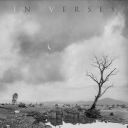
KARNIVOOL - IN VERSES (2026) [MP3@320] [FALLEN ANGEL] |
...SIŁA I PIĘKNO MUZYKI TKWIĄ W JEJ RÓŻNORODNOŚCI...
Karnivool to zespół, który od ponad dwóch dekad działa jak pięcioosobowy układ nerwowy: Ian Kenny, Drew Goddard, Mark Hosking, Jon Stockman i Steve Judd tworzą organizm, w którym każdy impuls ma znaczenie, a każdy dźwięk jest reakcją na coś głębszego niż sama muzyka. Ich historia zaczyna się w Perth — miejscu odległym od centrów kultury, ale właśnie dzięki temu wolnym, pozwalającym na rozwój bez presji, bez oczekiwań, bez konieczności dopasowywania się do czegokolwiek. W tej izolacji rodzi się brzmienie, które z czasem stanie się jednym z najbardziej charakterystycznych głosów współczesnego rocka progresywnego.
Ich twórczość to zapis dojrzewania, ale nie tego przewidywalnego, które przychodzi z wiekiem. To dojrzewanie przez pęknięcia, przez poszukiwania, przez odwagę wchodzenia w rejony, w których nie ma gwarancji, że znajdzie się światło. „Themata” (2005) jest jak pierwszy oddech — młody, intuicyjny, pełen energii, która jeszcze nie zna swoich granic. „Sound Awake” (2009) to monumentalna katedra emocji, album, w którym każdy dźwięk ma swoje miejsce, a całość tworzy przestrzeń większą niż suma jej części. „Asymmetry” (2013) to wejście w ciemność — w dysonans, w niepokój, w prawdę, która nie musi być wygodna, by była konieczna. Te trzy płyty układają się w opowieść o zespole, który nie boi się iść dalej, nawet jeśli droga prowadzi w rejony nieoczywiste i wymagające.
Karnivool dojrzewa z albumu na album, a ich muzyka staje się coraz bardziej złożona, coraz bardziej ludzka, coraz bardziej własna. To zespół, który nie szuka prostych melodii ani łatwych emocji — oni budują światy, w których słuchacz musi się zatrzymać, rozejrzeć, czasem zgubić, by potem odnaleźć coś, czego wcześniej w sobie nie widział. Ich brzmienie jest jak architektura zbudowana z napięć, z ciszy, z pulsów, które nieustannie przesuwają granice tego, co w rocku możliwe.
Z tej historii — z tego ruchu między światłem a cieniem, między pewnością a poszukiwaniem — wyrasta „In Verses” - album, który po latach ciszy otwiera nowy rozdział. Karnivool wracają z płytą, która nie tylko spełnia oczekiwania — ona je przekracza. ''In Verses'' to płyta “gęsta”, świadoma, emocjonalnie odważna, a jednocześnie precyzyjna jak chirurgiczny zabieg. To muzyka, która nie boi się bólu, nie boi się ciszy, nie boi się prawdy. I jako ktoś, dla kogo Karnivool od lat należy do absolutnej czołówki ulubionych zespołów, mogę powiedzieć jedno: warto było czekać.
Album trwa ponad godzinę i składa się z 10 utworów. Ropoczyna go „Ghost”, ktory otwiera się jak pęknięcie w murze — nie głośne, nie spektakularne, ale takie, które od razu czujesz pod skórą. Muzyka nie wchodzi tu frontalnie; raczej przemyka, jakby bała się obudzić coś, co śpi tuż pod powierzchnią. Delikatna elektronika pulsuje jak nerw, który ktoś przypadkiem odsłonił, a gitary pojawiają się tylko po to, by rzucić krótkie błyski światła na ściany tego mrocznego korytarza. Wszystko jest miękkie, ale napięte — jakby każdy dźwięk trzymał w sobie oddech, czekając na moment, w którym będzie mógł pęknąć. Świat w tym utworze traci kontury: twarze blakną, odbicia nie pasują do ludzi, a nadzieja staje się cienką nicią, którą trzymasz bardziej z przyzwyczajenia niż z wiary. Wokal Kenny’ego unosi się nad tym jak mgła — gładki, niemal kojący, ale podszyty niepokojem, jakby każde słowo było próbą utrzymania czegoś, co już zaczyna się wymykać. Tyrania nie wchodzi tu z hukiem; wpełza, zasiedla język, myśli, codzienność. Słowa, które kiedyś miały wagę, teraz spływają z ust jak zimny oddech na szybie. To piosenka o pokoleniu, które budzi się w świecie już podpalonym. O młodych, których przyszłość płonie szybciej niż papier, i o starszych, którzy zawsze mają „mądrzejszy plan”, choć nikt już nie czuje niczego poza pustką. „Ghost” jest jak spojrzenie w lustro, które nagle odbija kogoś obcego — kogoś zmęczonego, kogoś, kto balansuje na cienkiej granicy między tym, kim był, a tym, kim każą mu być. Jako otwarcie albumu działa jak uderzenie zimnego powietrza. Muzyka nie krzyczy, ale wciąga — powoli, konsekwentnie, jakby chciała nauczyć cię widzieć w mroku. To pierwszy krok w świat „In Verses”, gdzie nic nie jest stabilne, a każdy wers i każdy dźwięk są próbą utrzymania równowagi w rzeczywistości, która przesuwa się pod stopami. „Ghost” nie zdradza jeszcze, co czeka dalej — tylko uchyla drzwi i pozwala, byś sam zdecydował, czy wejdziesz głębiej.
„Drone” zaczyna się jak napięcie, które rośnie w człowieku, zanim jeszcze zdąży je nazwać. Muzyka nie wybucha — ona się zaciska. Arpeggiowana gitara drży jak nerw, który ktoś odsłonił zbyt głęboko, a pod nią pulsuje ciężki, precyzyjny rytm, jakby cały utwór był mechanizmem, który dopiero zaczyna się uruchamiać. To brzmienie niepokojowe, gęste, filmowe — takie, które nie daje ci odetchnąć, bo czujesz, że coś nadchodzi, choć jeszcze nie wiesz co. „Drone” uderza jak moment, w którym człowiek nagle widzi, jak bardzo świat próbuje go uformować. To utwór o ludziach, którzy śpiewają cudze pieśni, powtarzają obietnice sprzedawane jak towar, szukają sensu tam, gdzie jest tylko echo. W tle słychać mechanizm — coś, co chce przejąć kontrolę, powoli, bez pośpiechu, aż w końcu trudno odróżnić własne myśli od tych podsuniętych. Muzyka idealnie to oddaje: riffy są ciężkie, ale nie agresywne; rytm jest skomplikowany, ale nie chaotyczny. Wszystko brzmi jak precyzyjna maszyna, która mieli człowieka na drobne części. Refren to desperacka próba ucieczki w oślepienie: lepiej patrzeć w słońce, aż wypali oczy, niż spojrzeć w dół i zobaczyć, jak głęboko zaszła utrata siebie. Wokal Kenny’ego unosi się nad tym jak ostrze — czysty, ale zimny, jakby próbował przeciąć mgłę, która gęstnieje z każdą sekundą. Empatia staje się zagrożeniem, bo współczucie otwiera drzwi do bólu, a tu każdy ból jest kolejnym hakiem, na którym świat może cię zawiesić. Druga zwrotka to przebudzenie, ale takie, które boli bardziej niż sen. Bohater widzi, że to, co go otacza, nie jest przypadkiem — to system, który chce sterować wszystkim, co posiadasz, łącznie z tobą. Muzyka w tym fragmencie robi się bardziej duszna, bardziej klaustrofobiczna, jakby ściany zaczynały się zsuwać. Jedyną obroną jest odcięcie się, zachowanie jasności umysłu, zanim to coś przejmie cię całkowicie. „Drone” działa jak ostrzeżenie: pokazuje, jak łatwo stać się trybikiem, jak łatwo zgubić własny głos, jak łatwo pozwolić, by coś przejęło kontrolę, jeśli przestaniesz czuwać. To utwór o walce o świadomość — krótszy, bardziej bezpośredni niż „Ghost”, ale równie niepokojący. Muzycznie i lirycznie to jeden z tych momentów, w których Karnivool nie tylko gra — oni diagnozują.
„Aozora” jest jak moment, w którym dwie osoby siedzą obok siebie w swoich maskach, udając, że wszystko jest w porządku, choć obie czują, że świat zaczyna naciskać z każdej strony. Muzyka otwiera się szeroko — gitary falują jak światło odbijające się od wody, a przestrzeń między dźwiękami jest tak duża, że można by w niej ukryć wszystkie niewypowiedziane słowa. To najbardziej świetlisty fragment albumu, ale to światło nie koi; ono odsłania. Kamuflaż, który miał chronić, staje się tylko kolejną warstwą oddzielającą ich od rzeczywistości. W tle słychać delikatne, pływające harmonie, które unoszą się jak kurz w powietrzu po burzy. Pytania mnożą się szybciej niż odpowiedzi, a sens rozpływa się w chaosie — i właśnie w tej chwili muzyka zaczyna powoli narastać, jakby próbowała zebrać odwagę, by powiedzieć coś, czego nie da się już dłużej przemilczeć. „Reckoning” — rozliczenie — jest nieuniknione, brzydkie, ale konieczne. Wokal jest tu czysty, niemal kruchy, jakby śpiewał z miejsca, które już nie istnieje. Druga zwrotka to cisza, która nie uspokaja, tylko niepokoi. Radio milczy, sygnał znika, jakby świat przestał mówić. Zostają fałszywe obietnice i świadomość, że wszyscy widzą nadciągające kłopoty, ale nikt nie potrafi ich zatrzymać. To ostrzeżenie przed lekcjami, które spaliliśmy, i przed ślepym podążaniem za ideami, które karmią tylko własną próżność. Pre-chorus zamyka to jednym zdaniem: brak snu, brak remedium, brak czegokolwiek, co mogłoby przywrócić spokój. To pytanie „a ty?” wypowiedziane jak ostatnia próba upewnienia się, że ktoś jeszcze czuje to samo. A potem przychodzi kulminacja — nie wybuch, raczej rozszerzenie. Gitary otwierają się jeszcze szerzej, jakby cały utwór brał głęboki oddech po raz pierwszy od dawna. To nie jest triumf; to oczyszczenie. Chwila, w której iluzje zaczynają się kruszyć, a światło przechodzi przez szczeliny. W „In Verses” „Aozora” działa jak moment zawieszenia między bólem a nadzieją. Nie jest tak gniewny jak „Drone” ani tak przytłoczony jak „Ghost”, ale niesie w sobie ten sam niepokój — świadomość, że coś nadchodzi, a my nie jesteśmy na to gotowi. To utwór, który nie przygniata, tylko unosi — ale unosi w stronę prawdy, nie w stronę ucieczki.
„Animation” brzmi jak moment, w którym emocje nie wybuchają — one się odklejają. Muzyka rozsuwa powietrze delikatnie, jakby falujące gitary chciały sprawdzić, czy w tym ciele zostało jeszcze miejsce na cokolwiek. To utwór o odpuszczaniu, o skoku w nieznane, który nie jest aktem odwagi, lecz koniecznością. O świadomości, że nadzieja bywa iluzją, a rozwiązania po prostu nie istnieją. Pierwsza zwrotka otwiera się obrazem skoku ze statku — metaforycznego porzucenia wszystkiego, co znane. To nie ucieczka, tylko pragnienie poczuć upadek, poczuć cokolwiek. Bohater powtarza, że „zrobił nic złego”, jakby próbował przekonać samego siebie, że ma prawo odejść. W tle gitary unoszą się jak kurz w świetle, powoli, ostrożnie, jakby bały się, że gwałtowny ruch wszystko rozsypie. Nadzieja jawi się tu jako złudzenie, które nie prowadzi do żadnego rozwiązania. Refren jest gorzkim podsumowaniem: byli blisko szczerości, blisko prawdziwego upadku, który mógłby oczyścić. Ale strach wygrał. „Prawie mieliśmy wszystko” — to zdanie brzmi jak wyrzut, ale też jak żałoba po czymś, co nigdy nie zdążyło się wydarzyć. Śpiew Kenny’ego jest tu kruchy, niemal przezroczysty — jakby śpiewał z miejsca, które dopiero zaczyna pękać. Chorus rozbija ludzi na trzy grupy: ci, którzy dadzą radę; ci, którzy nie; i ci, którzy będą zaprzeczać do końca. To brutalnie szczere spojrzenie na ludzką naturę — nie wszyscy są gotowi na prawdę, nie wszyscy chcą ją zobaczyć. A nad tym wszystkim wisi powracający motyw: nadzieja jako iluzja. Druga zwrotka jest jeszcze bardziej bezpośrednia. Pada wyznanie, że prawie zdobyli się na szczerość, by przyznać, że „zrobili wszystko” — ale zamiast tego wybierali kłamstwa i półprawdy w ciemnych pokojach. To obraz ludzi, którzy wolą udawać, niż wrócić do domu, do siebie. Muzyka w tym fragmencie robi się bardziej przestrzenna, ale nie daje ulgi — raczej odsłania, jak bardzo wszystko się rozjechało. Skok ze statku powraca jak mantra — jakby bohater musiał powtarzać to, by w końcu naprawdę puścić. „Animation” brzmi jak dotknięcie miejsca, które dawno zdrętwiało — nie po to, by bolało, ale by sprawdzić, czy jeszcze żyje. To moment na płycie, w którym utwór jest bardziej osobisty, bardziej intymny. Mniej o świecie, bardziej o człowieku, który próbuje wyrwać się z własnych złudzeń. To piosenka o rezygnacji, ale nie o poddaniu — raczej o zrozumieniu, że czasem trzeba pozwolić sobie spaść, żeby w ogóle ruszyć dalej.
„Conversations” to jeden z najbardziej intymnych momentów na ''In Verses'' — utwór, w którym bohater nie walczy już ze światem zewnętrznym, tylko z własnym wnętrzem. Muzyka jest tu jak oddech, który nie może się zdecydować, czy chce wejść, czy uciec. Gitary nie grają riffów — one rozpływają się, jak mgła rozciągnięta nad wodą. Perkusja pulsuje jak tętno, ledwo wyczuwalne, bardziej obecne niż słyszalne. To nie jest piosenka, która prowadzi — to piosenka, która dryfuje, jak myśl, której nie da się złapać. To rozmowa, która nigdy nie została odbyta, i ciężar, który wraca w najmniej odpowiednich chwilach. Pierwsza zwrotka to obraz człowieka, który rozpada się na części, choć bardzo stara się tego nie pokazać. Nadzieja staje się „fated point of view” — czymś, co brzmi jak obowiązek, nie jak realna możliwość. Bohater próbuje być cierpliwy, ale zmęczenie przebija się w każdym wersie. Wspomina swoje potknięcia, nieobecności, niewystarczalność — i przyznaje, że to wszystko prawda. To brutalna, ale szczera autoanaliza. Muzyka w tym fragmencie jest niemal przezroczysta, jakby bała się dotknąć czegoś zbyt delikatnego. Druga zwrotka przenosi go za kulisy — dosłownie i metaforycznie. Chowa się „w skrzydłach sceny”, gdzie nikt go nie widzi, czekając na kolejny akt życia, którego nie czuje się częścią. Głowa w dłoniach, odrętwienie, a w tle głos, który próbował ignorować. To głos sumienia, żalu, niewypowiedzianych słów. Wokal Kenny’ego jest tu jak szept — nie próbuje niczego udowadniać, tylko przyznaje się. Muzyka nie daje katharsis; ona tylko buduje napięcie, które nigdy nie eksploduje. To świadome — bo ten utwór nie ma przynieść ulgi, tylko prawdę. Refren to ten głos mówiący: „To mogło ci pomóc. To mogło cię uratować.” To wyrzut, ale też żałoba po szansie, która przeszła obok. Bohater wie, że jest „za późno na rozmowę” — nie dlatego, że nie chce, ale dlatego, że emocjonalna góra, którą próbował przesunąć, okazała się zbyt ciężka. Muzyka w refrenie nie rośnie — ona zapada się, jakby sama wiedziała, że nie ma już dokąd iść. Trzecia zwrotka to próba wybielenia się, pragnienie ulgi, która mogłaby zdjąć z niego ciężar winy. Ale zamiast tego pojawia się nerwowe rozważanie ruin, które nadejdą. Bohater znów się wymyka, znów znika, a głos — ten sam, coraz słabszy — powtarza swoje ostrzeżenie. Gitary rozmywają się jeszcze bardziej, jakby cały utwór rozpadał się razem z nim. Perkusja zostaje już tylko cieniem, wspomnieniem rytmu. „Conversations” to utwór o wewnętrznym konflikcie, o rozmowach, które nigdy nie zostały przeprowadzone — z innymi, ale przede wszystkim z samym sobą. W zestawieniu z poprzednimi piosenkami „Conversations” jest bardziej emocjonalne, bardziej kruche. Jeśli „Ghost” mówił o utracie tożsamości, „Drone” o kontroli, a „Aozora” o pękających iluzjach, to „Conversations” dotyka tego, co zostaje, gdy człowiek zostaje sam ze swoim sumieniem. To moment, w którym album nie patrzy już na świat — patrzy prosto w człowieka. I nie odwraca wzroku.
„Reanimation” to utwór o pragnieniu odzyskania czegoś, co już zaczęło znikać — relacji, sensu, samego siebie. Muzyka jest tu jak delikatne światło przesączające się przez zasłony: spokojna, miękka, pełna melancholii. To jeden z tych momentów na ''In Verses'', w których zespół nie podnosi głosu — zamiast tego pozwala, by dźwięki rozpływały się, jakby próbowały dotknąć czegoś, co wciąż jeszcze tli się pod powierzchnią. Intro powtarza jedno uczucie jak mantrę: samotność pośród ludzi. Gitary są czyste, szerokie, niemal ambientowe — brzmią jak oddech, który odbija się od ścian pustego pokoju. To nie izolacja, ale poczucie niewidzialności — jakby bohater był obecny tylko ciałem, a reszta jego świadomości dryfowała gdzieś obok. Perkusja jest oszczędna, bardziej jak puls niż rytm, a wokal Kenny’ego unosi się nad tym wszystkim jak szept, który boi się, że zostanie przerwany. Pierwsza zwrotka to przyznanie, że trudno już wierzyć w sens utrzymywania czegokolwiek przy życiu — relacji, rozmowy, wspólnej drogi. Bohater mówi wprost: „już cię tak nie potrzebuję”, ale jednocześnie wciąż coś w nim płonie, wciąż coś boli. Padają pytania: „Kim jesteś? Dokąd idziemy?” — jakby próbował odnaleźć kierunek, który dawno się rozmył. Muzyka w tym fragmencie jest delikatna, niemal krucha, jakby każdy dźwięk miał się zaraz rozsypać. Druga zwrotka wraca do wspólnych upadków: ile razy klękali, ile razy rozpadali się na „drobne cząstki materii”. To obraz relacji, która przeszła przez tyle kryzysów, że trudno już odróżnić walkę od nawyku. „Muddy water” — brudna woda — symbolizuje życie, które nie daje ukojenia, tylko kolejne rozczarowania. A jednak pojawia się ciche „it’s alright”, jakby bohater próbował sam siebie uspokoić, choć oboje wiedzą, że to tylko plaster na otwartą ranę. W tle gitary falują jak wspomnienia, które nie chcą odejść. Refren jest najbardziej emocjonalnym momentem utworu. To błaganie o jeszcze jeden dzień — nie po to, by wszystko naprawić, ale by poczuć czyjeś spojrzenie, zanim nadejdzie „oblivion”, zapomnienie, koniec. To świadomość, że może już za późno, ale pragnienie chwili, która mogłaby coś zmienić, wciąż jest żywe. W tym miejscu pojawia się przepiękna solówka — nie techniczna, nie popisowa, tylko świetlista. Jakby ktoś na chwilę uchylił okno i wpuścił do środka powietrze, które pamięta dawny spokój. „Reanimation” jest o tęsknocie za odnową — nie wielką rewolucją, ale małym, ludzkim powrotem do siebie nawzajem. To utwór, który nie krzyczy, tylko prosi. Nie pędzi, tylko unosi. Nie rozrywa, tylko rozświetla. W zestawieniu z poprzednimi piosenkami „Reanimation” jest bardziej miękkie, bardziej melancholijne. Jeśli „Conversations” było o niewypowiedzianych słowach, „Reanimation” jest o tym, co mogłoby się wydarzyć, gdyby jednak udało się je wypowiedzieć. To moment, w którym album na chwilę przestaje analizować rany — i zaczyna szukać sposobu, by je opatrzyć.
„All It Takes” to jeden z najbardziej intensywnych i wielowarstwowych momentów albumu ''In Verses''. Utwór pulsuje napięciem między odpowiedzialnością a naiwnością, między ślepym podążaniem a desperacką potrzebą sensu. Muzyka od pierwszych sekund zaciska się jak pięść: gitary tną powietrze ostrymi, nerwowymi frazami, perkusja szarpie rytm jakby próbowała wyrwać się z własnego kołowrotka, a całość pędzi naprzód z energią, której nie da się zatrzymać. To piosenka o tym, jak łatwo wpaść w cykl złych decyzji — i jak trudno się z niego wyrwać. Pierwsza zwrotka to konfrontacja. Bohater pyta: „Czy jesteś wystarczająco blisko, żeby zobaczyć, w co się wpakowałeś?” — jakby próbował potrząsnąć kimś, kto nie rozumie konsekwencji własnych wyborów. Padają słowa o naiwności, o grze, którą ktoś sam wybrał. To nie atak, ale trzeźwe spojrzenie na kogoś, kto nie chce widzieć prawdy. Muzyka w tym fragmencie jest napięta, precyzyjna, jakby każdy dźwięk był kolejnym ostrzeżeniem. Bridge wprowadza motyw ślepej wiary i kłamstw, które spalają się po przeczytaniu. To obraz ludzi, którzy podążają za kimś bezrefleksyjnie, z rękami uniesionymi wysoko — jakby oddawali kontrolę, nie zastanawiając się, dokąd to prowadzi. Gitary zaczynają tu pulsować bardziej agresywnie, jakby próbowały przebić się przez mgłę iluzji. Druga zwrotka pogłębia ten motyw: cykl jest cyniczny, powtarzalny, przewidywalny. Ludzie biegają jak szczury w kołowrotku, grają dla dreszczu, zabijają dla emocji, a potem resetują wszystko i zaczynają od nowa. To komentarz o ludzkiej naturze — o tym, jak łatwo wpaść w uzależniające schematy. Muzyka w tym momencie jest najbardziej „metalowa” na całej płycie: ciężka, gęsta, dynamiczna. To nie jest utwór, który unosi — to utwór, który ciągnie. Refren jest kontrapunktem: mówi o cierpliwości, o czekaniu na „ten dźwięk”, którego nie da się zignorować. To moment, w którym chaos może wreszcie ułożyć się w sens. „Wszyscy teraz słuchamy” — jakby bohater wierzył, że mimo całego cynizmu istnieje coś, co może nas obudzić. Wokal Kenny’ego jest tu bardziej zdecydowany niż w jakimkolwiek innym utworze na płycie — nie introspekcyjny, nie zawieszony, ale reaktywny, jakby odpowiadał na coś, co dzieje się tu i teraz. Trzecia zwrotka to obraz ludzi czołgających się przez popioły, udających, że wszystko jest w porządku, bo „wszyscy patrzą”. To krytyka społecznych masek, pozorów, nawyków, które powtarzamy tylko dlatego, że tak trzeba. Bohater zaczyna tracić resztki sił, ale mimo to deklaruje: „Pójdę za tobą”. To mieszanka lojalności i desperacji — jakby wiedział, że ta droga jest zła, ale nie potrafił jeszcze zawrócić.Czwarta zwrotka wraca do motywu naiwności i szczerości. Pada pytanie: „Czy jesteś wystarczająco blisko — za nas oboje?” To prośba o zaangażowanie, o prawdę, o znak, że to wszystko ma sens. „Będziesz potrzebować wszystkiego” — to ostrzeżenie, że droga przed nimi wymaga pełnego zaangażowania, nie półśrodków. Muzyka w tym fragmencie osiąga swoją największą intensywność — to moment, w którym utwór nie tylko mówi o odpowiedzialności, ale ją ucieleśnia. „All It Takes” to utwór o odpowiedzialności — o tym, że każdy wybór ma konsekwencje, a każdy cykl można przerwać tylko wtedy, gdy człowiek naprawdę zobaczy, co robi. W zestawieniu z poprzednimi piosenkami jest bardziej konfrontacyjne, bardziej bezpośrednie. To moment, w którym album przestaje tylko opisywać chaos — zaczyna go rozliczać. I robi to z siłą, której nie da się zignorować.
„Remote Self Control” to utwór o odłączaniu się od siebie — o tym, jak człowiek zaczyna traktować własne życie jak coś, czym łatwiej sterować z dystansu niż czuć od środka. Muzyka jest tu duszna, mechaniczna, jakby cały utwór był maszyną, która traci kontrolę: gitary bardziej szumią niż grają, rytm się potyka, a wokal brzmi jak głos kogoś, kto mówi do siebie z drugiego pokoju. Pierwsza zwrotka pokazuje cynika wracającego do życia po załamaniu. Pada zachęta, by „przełączyć się na zdalną samokontrolę” — odciąć emocje, wejść w tryb przetrwania. Ale od początku czuć ostrzeżenie: ta transformacja będzie bolesna. Refren to dialog dwóch części tej samej osoby — jednej, która chce przetrwać, i drugiej, która pamięta każdy upadek. Obietnica wsparcia miesza się tu z wyznaniem, że ból zostanie na zawsze. Druga zwrotka pogłębia motyw odrętwienia: „oddzielony od ciała, odcięty”. Pada ironiczne, ale niebezpiecznie prawdziwe zdanie: „to takie zabawne, kiedy nic nie czujesz”. Odrętwienie kusi, ale niszczy.Chorus przynosi przebudzenie: „spaliśmy, śniąc w świecie imitacji”. To moment, w którym bohater widzi, że żył w półśnie, na autopilocie. „Już nie śnimy” brzmi jak próba powrotu do realności. Post-chorus („You win by default…”) to gorzka prawda: jeśli oddasz kontrolę autopilotowi, on wygra — nie dlatego, że jest silniejszy, tylko dlatego, że ty przestajesz walczyć. Bridge jest najbardziej cielesny: krew w ustach, wyciąganie rurek, oddech gotowy do krzyku. To brutalna metafora powrotu do życia — bolesnego, ale prawdziwego. Końcówka zamyka pętlę: jeśli nie odzyskasz siebie, autopilot przejmie wszystko. To utwór o granicy między przetrwaniem a ucieczką, o momencie, w którym odrętwienie przestaje chronić, a zaczyna niszczyć. W kontekście albumu to pierwszy wyraźny sygnał, że przebudzenie jest możliwe — ale będzie boleć.
„Opal” to jeden z najbardziej dramatycznych i emocjonalnie gęstych momentów na “In Verses”. To utwór, który łączy progresywną precyzję z żałobną introspekcją. Karnivool budują tu monumentalną konstrukcję, która rośnie jak fala: krystaliczne, szkliste gitary pulsują w hipnotycznych figurach, rytm pełen drobnych przesunięć trzyma słuchacza w napięciu, a wokal Kenny’ego narasta razem z muzyką, jakby próbował przebić się przez coraz cięższą atmosferę. To brzmienie, które nie prowadzi — ono wciąga. Lirycznie „Opal” krąży wokół żałoby — nie tylko po kimś, ale po idei, po relacji, po wersji siebie, którą dawno temu zakopano. Pierwsza zwrotka otwiera się jak kondolencje: „przykro mi z powodu twojej straty”, ale szybko okazuje się, że chodzi o coś bardziej abstrakcyjnego niż śmierć. To żal po wszystkim, co „przyszło i odeszło tak łatwo”. Bohater nie chce już walczyć, bo wszystkie wspólne plany umarły, zanim zdążyły się narodzić. To rezygnacja podszyta zmęczeniem — emocjonalny bezdech, który idealnie współgra z narastającą, ale wciąż powściągliwą muzyką. Refren uderza w sedno: „Czy naprawdę próbujesz odkopać coś, co zakopałeś dawno temu?” To ostrzeżenie przed powrotem do starych ran, przed budzeniem „śpiących gigantów” — traum, wspomnień, emocji, które powinny pozostać w spoczynku. Bohater trzyma się idei, która jest śmiertelna. „Piękne rozproszenia” przesuwają się przed oczami, ale to tylko iluzje. Wybór, by tu być, jest świadomy — i właśnie dlatego tak boli. Cisza, w której tonie, jest konsekwencją złamanych zasad i niespełnionych obietnic. Druga zwrotka pokazuje emocjonalny nadmiar, który wylewa się poza krawędzie. Chemia — dosłowna lub metaforyczna — przejmuje kontrolę. Bohater próbuje powstrzymać słowa, ale one i tak wypadają, jakby prawda była silniejsza od autocenzury. Muzyka w tym fragmencie gęstnieje, jakby cały utwór zaczynał drżeć pod ciężarem niewypowiedzianych emocji. Bridge jest najbardziej polityczny i społeczny w całym utworze. Padają obrazy jadowitych węży, skorumpowanego systemu, wyroków bez znaczenia. To świat, w którym nie warto okazywać słabości, bo każdy gest zostanie wykorzystany. „Bądź cichy jak śmierć” — to brutalna rada przetrwania, która kontrastuje z narastającą muzyczną falą. Kulminacja „Opal” to jeden z najbardziej spektakularnych momentów w całej dyskografii Karnivool. Gitary eksplodują pełnym spektrum barw, rytm otwiera się szeroko, a wokal osiąga pełną moc. To katharsis, które działa nie tylko dzięki głośności, ale dzięki emocjonalnemu ciężarowi nagromadzonemu wcześniej. A potem — wbrew oczekiwaniom — utwór nie kończy się triumfalnym akcentem. Ostatnia minuta to wychłodzenie, świadome wycofanie, w którym muzyka zostaje sama ze sobą. Wokal znika całkowicie, a na jego miejsce wchodzi przestrzeń: rozproszona, krucha, niemal intymna. Gitary wygasają jak światło po burzy, rytm rozpływa się w tle, a całość przechodzi w stan, który bardziej przypomina oddech niż zakończenie. To ballada o milczeniu, nie o wyznaniu — emocjonalny epilog, który mówi więcej niż słowa. Końcowy refren, choć już nieobecny w głosie, wybrzmiewa w pamięci: nie ma szans na przetrwanie, jeśli będziesz trzymać się tej fatalnej idei. Cisza, w której toniesz, jest ostateczna. „Opal” to centralny punkt płyty “In Verses” — utwór, który łączy monumentalność z intymnością, progresywną architekturę z emocjonalnym ciężarem. To singiel, który pokazuje pełnię możliwości zespołu: precyzję, dramaturgię i umiejętność mówienia najwięcej wtedy, gdy muzyka wreszcie milknie.
„Salva” stanowi zamknięcie ''In Verses'' w najbardziej emocjonalnej, najbardziej ludzkiej formie. Muzycznie to jeden z najciemniejszych i najbardziej dusznych momentów albumu — gęsty, ciężki, powolny jak marsz przez własne ruiny. Gitary tworzą ścianę napięcia, bardziej teksturę niż melodię, a perkusja bije jak serce, które jeszcze nie wie, czy chce dalej bić. Wokal Kenny’ego jest tu pęknięty, pełen napięcia, jakby każde słowo było wyszarpane z miejsca, które od dawna próbuje milczeć. Lirycznie „Salva” opowiada o odejściu, które nie wynika z braku miłości — wręcz przeciwnie. To piosenka o tym, że czasem trzeba uciec, żeby przetrwać. O bólu, który stał się zbyt ciężki, i o pragnieniu oczyszczenia, które może przyjść dopiero wtedy, gdy człowiek pozwoli sobie zniknąć na chwilę z własnego życia. Intro ustawia ton: „Nie ma miejsca, w którym wolałbym być, ale muszę odejść.” To paradoks, który przewija się przez cały utwór — miłość i ucieczka splatają się w jedno. Bohater chce rozpuścić swoje serce w morzu, pozwolić, by sól zmyła wszystko, co boli. To obraz oczyszczenia, ale też rezygnacji. „Wchodzimy w ruinę, nawet gdy znaki krzyczą, żeby zawrócić” — to przyznanie, że człowiek czasem idzie w stronę katastrofy świadomie. Pierwsza zwrotka jest konfrontacją z samym sobą. Drżące ręce, obcy w lustrze, słowa jak drut kolczasty. Bohater czuje, że w oczach drugiej osoby już nie istnieje — jest „martwy”, a każde kolejne słowo tylko pogłębia rany. Muzyka w tym fragmencie przygniata: ciężkie gitary i powolny rytm tworzą atmosferę, w której nie ma miejsca na ucieczkę. Refren powtarza mantrę odejścia — nie z braku uczuć, ale z konieczności. To ucieczka przed dalszym niszczeniem siebie nawzajem. Druga zwrotka brzmi jak pożegnanie. „Nie czekaj, nie wracam.” Padają słowa o pogrzebie — metaforycznym, ale bolesnym. Bohater wspomina bezpieczeństwo, które kiedyś czuł, i pyta, jak ma je odzyskać, skoro teraz wie już za dużo. To żałoba po czymś, co było prawdziwe. Muzyka wciąż narasta, ale nie prowadzi do wybuchu — napięcie gromadzi się, lecz nie znajduje ujścia, jakby utwór sam nie potrafił oddychać. Bridge to jedyny moment nadziei: pytanie, dlaczego gojenie trwa tak długo, i prośba o obietnicę, że gdzieś istnieje lepsza droga. Bohater deklaruje, że pobiegnie „mile za milą”, jeśli tylko jest dokąd. To pragnienie nowego początku, nawet jeśli wymaga ogromnego wysiłku. Wokal w tym fragmencie brzmi jak krzyk wewnętrzny — nie głośny, ale rozpaczliwie szczery. Końcowy refren to oczyszczenie. Morze ma zmyć wszystko, co było — ból, winę, strach. Bohater napełnia płuca powietrzem, gotowy biec dalej. To nie triumf, ale pierwszy prawdziwy oddech po długim okresie duszenia się. Ostatnie dźwięki nie przynoszą katharsis — zostawiają słuchacza w zawieszeniu, w przestrzeni, która jest bardziej ciszą niż rozwiązaniem. „Salva” jest jak ostatni krok w stronę światła po długiej wędrówce przez mrok. Nie obiecuje szczęścia, ale daje przestrzeń na oddech. I to wystarcza. To idealne domknięcie “In Verses”: po spirali zagubienia, kontroli, żałoby i odrętwienia, finał przynosi coś, co nie jest ani pełnym odkupieniem, ani klęską — tylko decyzją, by ruszyć dalej.
Płyta „In Verses” nie tylko przykuwa uwagę znakomitą techniką, ale imponuje również dojrzałością, świadomością i emocjonalną odwagą. To album, który działa dlatego, że pięciu muzyków myśli tu jak jeden organizm — każdy z nich wnosi coś absolutnie niezbędnego, a razem tworzą dzieło większe niż suma ich talentów.
Ian Kenny (jeden z najwybitniejszych wokalistów w historii rocka) – głos, który niesie całą historię, jest emocjonalnym rdzeniem albumu. Jego wokal przechodzi od intymnych pęknięć do pełnej mocy, zawsze dokładnie tam, gdzie utwór tego potrzebuje. To jedna z jego najbardziej świadomych i wielowymiarowych kreacji — głos, który nie tylko opowiada, ale przeżywa.
Andrew “Drew” Goddard – architekt konstrukcji i napięcia, buduje muzyczne szkielety płyty. Jego gitary są krystaliczne, precyzyjne, często hipnotyczne — potrafią narastać jak fala („Opal”), dusić („Remote Self Control”) albo otwierać przestrzeń („Conversations”). To on nadaje albumowi jego progresywną logikę i dramaturgię.
Mark Hosking – tekstura, cień, emocjonalny kontrapunkt, dopowiada to, czego nie da się powiedzieć wprost. Jego partie zagęszczają atmosferę, podcinają grunt, tworzą napięcie między dźwiękami. Jego wokalne harmonie i gitarowe warstwy nadają albumowi głębię i duszność — to on sprawia, że muzyka brzmi jak świat, a nie tylko zestaw instrumentów.
Jon Stockman – fundament, który trzyma wszystko w pionie, jego bas jest jak ciężar emocjonalny tej płyty — głęboki, masywny, nieustępliwy. To on nadaje utworom puls, który jest bardziej sercem niż rytmem. Bez niego album straciłby swoją grawitację i cielesność; to jego gra sprawia, że ''In Verses'' stoi twardo na ziemi.
Steve Judd – rytm, który oddycha razem z historią, gra tu nie tylko rytmy — on gra stany psychiczne. Jego perkusja jest pełna przesunięć, potknięć, napięć, jakby odzwierciedlała każdy impuls i każdy wewnętrzny konflikt bohatera. W „Opal” jest monumentalny, w „Remote Self Control” mechaniczny, w „Salva” ciężki jak żałoba. To on nadaje albumowi jego ludzki puls.
''In Verses'' to album, który zachwyca techniką, ale zostaje w człowieku dzięki emocjom. Kenny daje mu twarz, Goddard — konstrukcję, Hosking — atmosferę, Stockman — ciężar, a Judd — serce. Razem tworzą dzieło kompletne, świadome i głęboko ludzkie — album, który nie tylko się słucha, ale przeżywa. Już teraz rezerwuję dla Karnivool miejsce w Top 10 najlepszych albumów 2026 roku. Znakomity powrót!!! Bardzo gorąco polecam.
Maciej Niemczak
For over two decades, Karnivool has functioned as a five-piece nervous system. Ian Kenny, Drew Goddard, Mark Hosking, Jon Stockman, and Steve Judd form an organism where every impulse matters, and every sound is a reaction to something deeper than music itself. Their story begins in Perth—a place remote from cultural epicentres, yet precisely because of this, a place that is free. It allowed them to evolve without pressure, without expectations, without the need to fit into any existing mould. In this isolation, a sound was born that would eventually become one of the most distinctive voices in contemporary progressive rock.
Their discography is a record of maturation, but not the predictable kind that comes with age. It is a maturing through cracks, through searches, through the courage to enter regions where there is no guarantee of finding light. Themata (2005) is like a first breath—young, intuitive, full of energy that does not yet know its own limits. Sound Awake (2009) is a monumental cathedral of emotion, an album where every sound has its place, creating a space greater than the sum of its parts. Asymmetry (2013) is an entry into the darkness—into dissonance, into anxiety, into a truth that doesn't have to be comfortable to be necessary. These three records form a narrative of a band unafraid to push further, even when the path leads into obscure and demanding territories.
Karnivool matures from album to album, their music becoming increasingly complex, more human, more uniquely their own. This is a band that does not seek simple melodies or easy emotions—they build worlds where the listener must stop, look around, and sometimes get lost, only to find something they hadn't seen in themselves before. Their sound is like architecture built from tension, from silence, from pulses that constantly shift the boundaries of what is possible in rock.
From this history—this movement between light and shadow, between certainty and exploration—emerges In Verses, an album that opens a new chapter after years of silence. Karnivool returns with a record that doesn't just meet expectations—it transcends them. In Verses is dense, conscious, emotionally brave, yet as precise as a surgical procedure. It is music that is not afraid of pain, not afraid of silence, not afraid of the truth. As someone for whom Karnivool has occupied the absolute top tier of favourite bands for years, I can say one thing: it was worth the wait. The album spans over an hour and consists of 10 tracks.
"Ghost" opens like a crack in a wall—not loud, not spectacular, but one you immediately feel under your skin. The music doesn't enter frontally; it glides past, as if afraid to wake something sleeping just beneath the surface. Delicate electronics pulse like a nerve someone accidentally exposed, and guitars appear only to cast brief flashes of light onto the walls of this dark corridor. Everything is soft yet strained—as if every sound is holding its breath, waiting for the moment it might break. The world in this track loses its contours: faces fade, reflections don't match the people, and hope becomes a thin thread you hold onto more out of habit than faith. Kenny’s vocals float above it all like a mist—smooth, almost soothing, yet laced with unease, as if every word is an attempt to hold onto something already slipping away. Tyranny doesn't enter here with a bang; it crawls in, colonising language, thoughts, and daily life. Words that once carried weight now slide off the tongue like cold breath on a windowpane. This is a song about a generation waking up in a world already on fire. About the young, whose future burns faster than paper, and about the elders, who always have a "wiser plan," though no one feels anything but emptiness anymore. "Ghost" is like looking into a mirror that suddenly reflects a stranger—someone tired, someone balancing on the thin line between who they were and who they are told to be. As an album opener, it acts like a blast of cold air. The music doesn't scream; it pulls you in—slowly, consistently, as if wanting to teach you to see in the dark. It is the first step into the world of In Verses, where nothing is stable, and every verse and every sound is an attempt to maintain balance in a reality shifting beneath your feet. "Ghost" doesn't yet reveal what lies ahead—it only cracks the door open and lets you decide whether to go deeper.
"Drone" begins like a tension that grows within a person before they can even name it. The music doesn't explode—it tightens. An arpeggiated guitar trembles like a nerve exposed too deep, and beneath it pulses a heavy, precise rhythm, as if the entire track were a mechanism just beginning to engage. It is a sound of unease—dense, cinematic—the kind that gives you no room to breathe because you feel something is coming, even if you don't yet know what. "Drone" hits like the moment a person suddenly sees how much the world is trying to mould them. It is a track about people singing others' songs, repeating promises sold like commodities, searching for meaning where there is only an echo. In the background, you hear the machinery—something that wants to take control, slowly, without haste, until it becomes difficult to distinguish your own thoughts from those suggested to you. The music captures this perfectly: the riffs are heavy but not aggressive; the rhythm is complex but not chaotic. Everything sounds like a precision machine grinding a human into small parts. The chorus is a desperate attempt to escape into blindness: it’s better to stare into the sun until it burns your eyes out than to look down and see how deep the loss of self has gone. Kenny’s vocals soar over this like a blade—clean but cold, as if trying to cut through the mist that thickens with every second. Empathy becomes a threat because compassion opens the door to pain, and here, every pain is another hook on which the world can hang you. The second verse is an awakening, but one that hurts more than the dream. The protagonist sees that what surrounds him is no accident—it is a system that wants to control everything you possess, including yourself. The music in this section becomes more stifling, more claustrophobic, as if the walls were closing in. The only defence is to cut oneself off, to maintain clarity of mind before "it" takes you over completely. "Drone" acts as a warning: it shows how easy it is to become a cog, how easy it is to lose your own voice, how easy it is to let something take over if you stop being vigilant. It is a song about the struggle for consciousness—shorter, more direct than "Ghost," but equally unsettling. Musically and lyrically, it is one of those moments where Karnivool doesn't just play—they diagnose.
"Aozora" sounds like a moment where two people sit side-by-side in their masks, pretending everything is fine, even as they both feel the world beginning to press in from all sides. The music opens wide—guitars ripple like light reflecting off water, and the space between sounds is so vast you could hide every unspoken word within it. This is the most luminous fragment of the album, yet this light does not soothe; it exposes. The camouflage meant to protect becomes just another layer separating them from reality. In the background, delicate, floating harmonies drift like dust in the air after a storm. Questions multiply faster than answers, and meaning dissolves into chaos—and at that precise moment, the music begins to swell, as if gathering the courage to say something that can no longer be silenced. "Reckoning" is inevitable, ugly, but necessary. Kenny’s vocals here are pure, almost fragile, as if singing from a place that no longer exists. The second verse is a silence that doesn't calm, but unsettles. The radio is silent, the signal vanishes, as if the world has stopped speaking. What remains are false promises and the awareness that everyone sees the oncoming trouble, yet no one can stop it. It’s a warning against the lessons we burned and the blind following of ideas that feed only our own vanity. The pre-chorus closes this with a single thought: no sleep, no remedy, nothing to restore peace. That question, "and you?", is uttered like a final attempt to ensure someone else feels the same. And then comes the climax—not an explosion, but an expansion. The guitars open even wider, as if the entire track is taking a deep breath for the first time in ages. It isn’t a triumph; it’s a catharsis. A moment where illusions begin to crumble and light passes through the cracks. Within In Verses, "Aozora" acts as a suspension between pain and hope. It isn’t as angry as "Drone" or as overwhelmed as "Ghost," but it carries the same unease—the knowledge that something is coming, and we are not ready. It is a track that doesn’t crush, but lifts—yet it lifts toward the truth, not toward escape.
"Animation" sounds like the moment emotions don't explode—they peel away. The music parts the air gently, as if the waving guitars want to check if there is still room for anything left in this body. It is a song about letting go, about a leap into the unknown that isn't an act of courage, but a necessity. About the awareness that hope can be an illusion and that solutions simply do not exist. The first verse opens with the image of jumping off a ship—a metaphorical abandonment of everything known. It isn’t an escape, but a desire to feel the fall, to feel anything. The protagonist repeats that they "did nothing wrong," as if trying to convince themselves they have the right to leave. In the background, guitars rise like dust in the light, slowly, cautiously, as if afraid a sudden movement will shatter everything. Hope appears here as a delusion leading nowhere. The chorus is a bitter summary: they were close to honesty, close to a true fall that could have cleansed them. But fear won. "We almost had it all"—this line sounds like a reproach, but also like mourning for something that never had the chance to happen. Kenny’s vocals are fragile, nearly transparent—as if singing from a place that is only just beginning to crack. The chorus divides people into three groups: those who will make it; those who won't; and those who will deny it until the end. It is a brutally honest look at human nature—not everyone is ready for the truth, not everyone wants to see it. And over all of this hangs the recurring motif: hope as an illusion. The second verse is even more direct. A confession falls: they almost gathered the honesty to admit they "did everything"—but instead, they chose lies and half-truths in dark rooms. It’s an image of people who would rather pretend than return home, to themselves. The music in this passage becomes more spatial, but offers no relief—instead, it reveals how much everything has drifted apart. The leap from the ship returns like a mantra—as if the protagonist must repeat it to finally, truly let go. "Animation" feels like touching a place that has long been numb—not to cause pain, but to check if it’s still alive. It is a moment on the album where the track is more personal, more intimate. Less about the world, more about the human trying to break free from their own delusions. It is a song about resignation, but not about giving up—rather about understanding that sometimes you must allow yourself to fall just to move forward at all.
"Conversations" is one of the most intimate moments on In Verses—a track where the protagonist is no longer fighting the external world, but their own interior. The music here is like a breath that cannot decide whether it wants to come in or escape. The guitars don't play riffs—they dissolve like mist stretched over water. The drums pulse like a heartbeat, barely perceptible, more present than audible. This isn't a song that leads—it’s a song that drifts, like a thought that cannot be caught. It is a conversation that was never had, and a weight that returns at the least appropriate times. The first verse is an image of a person falling to pieces, though trying very hard not to show it. Hope becomes a "fated point of view"—something that sounds like an obligation, not a real possibility. The protagonist tries to be patient, but exhaustion bleeds through every line. He mentions his stumbles, absences, inadequacies—and admits that it’s all true. It’s a brutal but honest self-analysis. The music in this section is almost transparent, as if afraid to touch something so delicate. The second verse takes him "into the wings"—literally and metaphorically. He hides in the wings of the stage, where no one sees him, waiting for the next act of a life he doesn't feel a part of. Head in hands, numbness, and in the background, a voice he tried to ignore. It is the voice of conscience, of regret, of unspoken words. Kenny’s vocals are like a whisper—not trying to prove anything, just confessing. The music offers no catharsis; it only builds a tension that never explodes. This is intentional—because this track isn't meant to bring relief, only truth. The chorus is that voice saying: "This could have helped you. This could have saved you." It’s a reproach, but also mourning for a chance that passed by. The protagonist knows it’s "too late to talk"—not because he doesn't want to, but because the emotional mountain he tried to move proved too heavy. The music in the chorus doesn't grow—it collapses in on itself, as if knowing there is nowhere left to go. The third verse is an attempt to white-wash oneself, a longing for relief that could lift the burden of guilt. But instead, a nervous contemplation of the ruins to come appears. The protagonist slips away again, vanishes again, and the voice—the same one, growing weaker—repeats its warning. The guitars blur even more, as if the entire song is falling apart along with him. The drums remain only as a shadow, a memory of rhythm. "Conversations" is a track about internal conflict, about conversations that were never held—with others, but primarily with oneself. Compared to the previous songs, "Conversations" is more emotional, more fragile. If "Ghost" spoke of the loss of identity, "Drone" of control, and "Aozora" of cracking illusions, then "Conversations" touches what remains when a person is left alone with their conscience. It is the moment the album stops looking at the world—it looks straight into the human. And it does not look away.
"Reanimation" is a song about the desire to reclaim something that has already begun to vanish—a relationship, meaning, oneself. The music here is like a soft light filtering through curtains: calm, gentle, saturated with melancholy. It is one of those moments on In Verses where the band does not raise its voice—instead, they allow the sounds to dissolve, as if trying to touch something still smouldering beneath the surface. The intro repeats a single feeling like a mantra: loneliness among people. The guitars are clean, wide, almost ambient—sounding like a breath echoing off the walls of an empty room. This isn't isolation, but a sense of invisibility—as if the protagonist is present only in body, while the rest of his consciousness drifts somewhere alongside. The drums are sparse, more like a pulse than a rhythm, and Kenny’s vocals float above it all like a whisper afraid of being interrupted. The first verse is an admission that it’s hard to believe in the point of keeping anything alive anymore—a relationship, a conversation, a shared path. The protagonist says plainly: "I don't need you like that anymore," yet something still burns within him, something still hurts. Questions fall: "Who are you? Where are we going?"—as if he were trying to find a direction that blurred long ago. The music in this passage is delicate, nearly fragile, as if every sound might shatter at any moment. The second verse returns to shared falls: how many times they knelt, how many times they broke into "small particles of matter." It is an image of a relationship that has endured so many crises it’s hard to distinguish the struggle from the habit. "Muddy water" symbolises a life that offers no solace, only further disappointments. Yet, a quiet "it’s alright" appears, as if the protagonist is trying to soothe himself, though both know it is merely a plaster on an open wound. In the background, guitars ripple like memories that refuse to leave. The chorus is the song's most emotional moment. It is a plea for one more day—not to fix everything, but to feel someone’s gaze before "oblivion" arrives. It is the awareness that it might already be too late, yet the desire for a moment that could change something remains alive. Here, a beautiful solo appears—not technical, not showy, but luminous. As if someone briefly cracked a window to let in air that remembers an old peace. "Reanimation" is about the longing for renewal—not a grand revolution, but a small, human return to one another. It is a track that doesn't scream, but asks. It doesn't rush, but lifts. It doesn't tear apart, but illuminates. Compared to the previous songs, "Reanimation" is softer, more melancholic. If "Conversations" was about unspoken words, "Reanimation" is about what might happen if they were finally spoken. It is the moment the album briefly stops analysing wounds—and starts looking for a way to dress them.
"All It Takes" is one of the most intense and multi-layered moments of In Verses. The track pulses with tension between responsibility and naivety, between blind following and a desperate need for meaning. From the first seconds, the music clenches like a fist: guitars cut the air with sharp, nervous phrases, drums tear at the rhythm as if trying to break free from their own wheel, and the whole thing hurtles forward with an unstoppable energy. It’s a song about how easy it is to fall into a cycle of bad decisions—and how hard it is to break out. The first verse is a confrontation. The protagonist asks: "Are you close enough to see what you've gotten into?"—as if trying to shake someone who doesn't understand the consequences of their choices. Words of naivety fall, of a game someone chose themselves. It isn't an attack, but a sober look at someone who refuses to see the truth. The music in this section is tense, precise, as if every sound were another warning. The bridge introduces the motif of blind faith and "lies that burn after reading." It’s an image of people following someone reflexively, hands raised high—as if surrendering control without wondering where it leads. The guitars begin to pulse more aggressively here, as if trying to pierce through the mist of illusion. The second verse deepens this motif: the cycle is cynical, repetitive, predictable. People run like rats in a wheel, playing for the thrill, killing for the emotion, then resetting everything to start again. It is a commentary on human nature—how easily we fall into addictive patterns. The music at this point is the most "metal" on the entire record: heavy, dense, dynamic. This isn't a track that lifts—it’s a track that pulls. The chorus is a counterpoint: it speaks of patience, of waiting for "that sound" that cannot be ignored. It is the moment where chaos might finally settle into meaning. "We are all listening now"—as if the protagonist believes that despite all the cynicism, something exists that can wake us up. Kenny’s vocals are more decisive here than in any other track on the record—not introspective, not suspended, but reactive, as if responding to something happening here and now. The third verse is an image of people crawling through ashes, pretending everything is fine because "everyone is watching." It’s a critique of social masks, appearances, and habits we repeat only because we must. The protagonist begins to lose the last of his strength, yet declares: "I will follow you." It’s a mix of loyalty and desperation—as if he knows this path is wrong, but cannot yet turn back. The fourth verse returns to the motif of naivety and honesty. The question is asked: "Are you close enough—for both of us?" It’s a plea for commitment, for truth, for a sign that this all makes sense. "You’re going to need everything"—it’s a warning that the road ahead requires full engagement, not half-measures. The music reaches its maximum intensity here—the moment where the song doesn't just speak of responsibility, but embodies it. "All It Takes" is a track about responsibility—that every choice has consequences, and every cycle can only be broken when a person truly sees what they are doing. Compared to previous songs, it is more confrontational, more direct. It is the moment the album stops merely describing chaos—it begins to hold it to account. And it does so with a force that cannot be ignored.
"Remote Self Control" is a track about disconnecting from oneself—about how a person begins to treat their own life as something easier to steer from a distance than to feel from within. The music is stifling, mechanical, as if the entire song were a machine losing control: guitars hiss more than they play, the rhythm stumbles, and the vocals sound like the voice of someone speaking to themselves from across the room. The first verse shows a cynic returning to life after a breakdown. There is an encouragement to "switch to remote self-control"—to cut off emotions, to enter survival mode. But from the start, there is a warning: this transformation will be painful. The chorus is a dialogue between two parts of the same person—one that wants to survive, and another that remembers every fall. A promise of support mingles with the confession that the pain will stay forever. The second verse deepens the motif of numbness: "separate from the body, cut off." An ironic but dangerously true sentence falls: "it’s so funny when you don't feel anything." Numbness tempts, but it destroys. The chorus brings an awakening: "we were sleeping, dreaming in a world of imitations." It is the moment the protagonist sees he was living in a half-sleep, on autopilot. "We are no longer dreaming" sounds like an attempt to return to reality. The post-chorus ("You win by default...") is a bitter truth: if you surrender control to the autopilot, it wins—not because it is stronger, but because you stop fighting. The bridge is the most visceral: blood in the mouth, pulling out tubes, a breath ready to scream. It is a brutal metaphor for returning to life—painful, but real. The ending closes the loop: if you don't reclaim yourself, the autopilot will take everything. It is a song about the line between survival and escape, about the moment numbness stops protecting and starts destroying. In the context of the album, it is the first clear signal that awakening is possible—but it is going to hurt.
"Opal" is one of the most dramatic and emotionally dense moments of In Verses—a track that marries progressive precision with mournful introspection. Here, Karnivool builds a monumental construction that rises like a wave: crystalline, glassy guitars pulse in hypnotic figures, a rhythm full of subtle shifts keeps the listener in suspense, and Kenny’s vocals swell alongside the music, as if trying to pierce through an increasingly heavy atmosphere. This is a sound that doesn't lead—it pulls you under. Lyrically, "Opal" revolves around grief—not just for a person, but for an idea, a relationship, a version of oneself buried long ago. The first verse opens like a condolence: "I’m sorry for your loss," but it quickly becomes clear that the loss is more abstract than death. It is a regret for everything that "came and went so easily." The protagonist no longer wants to fight because all shared plans died before they could even be born. It is a resignation laced with fatigue—an emotional apnoea that perfectly matches the rising, yet still restrained, music. The chorus hits the mark: "Are you really trying to unearth something you buried a long time ago?" It’s a warning against returning to old wounds, against waking "sleeping giants"—traumas, memories, emotions that should remain at rest. The protagonist clings to a terminal idea. "Beautiful distractions" drift before the eyes, but they are mere illusions. The choice to be here is conscious—and that is precisely why it hurts. The silence in which he drowns is the consequence of broken rules and unfulfilled promises. The second verse shows an emotional overflow spilling over the edges. Chemistry—literal or metaphorical—takes control. The protagonist tries to hold back the words, but they fall out anyway, as if the truth were stronger than self-censorship. The music thickens here, as if the entire track were beginning to tremble under the weight of unspoken emotions. The bridge is the most political and social moment in the entire song. Images of venomous snakes, a corrupt system, and meaningless sentences fall. It’s a world where showing weakness isn’t worth it because every gesture will be exploited. "Be as silent as death"—this is brutal survival advice that contrasts with the rising musical wave. The culmination of "Opal" is one of the most spectacular moments in Karnivool’s entire discography. Guitars explode in a full spectrum of colours, the rhythm opens wide, and the vocals reach full power. It is a catharsis that works not just through volume, but through the emotional weight accumulated earlier. And then—contrary to expectations—the track does not end on a triumphant note. The final minute is a cooling down, a conscious withdrawal, where the music is left alone with itself. The vocals vanish completely, replaced by space: scattered, fragile, almost intimate. The guitars fade like light after a storm, the rhythm dissolves into the background, and the whole thing transitions into a state that resembles a breath more than an ending. It is a ballad about silence, not confession—an emotional epilogue that speaks louder than words. The final chorus, though no longer present in voice, echoes in memory: there is no chance for survival if you hold onto this fatal idea. The silence in which you drown is final. "Opal" is the central point of In Verses—a track that combines monumentality with intimacy, progressive architecture with emotional weight. It is a single that showcases the full range of the band’s capabilities: precision, drama, and the ability to say the most when the music finally falls silent.
"Salva" closes In Verses in its most emotional, most human form. Musically, it is one of the darkest and most stifling moments of the album—dense, heavy, slow as a march through one's own ruins. The guitars create a wall of tension, more texture than melody, and the drums beat like a heart that doesn't yet know if it wants to keep beating. Kenny’s vocals are cracked here, full of strain, as if every word were wrenched from a place that has long tried to remain silent. Lyrically, "Salva" tells of a departure that doesn't stem from a lack of love—quite the opposite. It’s a song about how sometimes you have to run away to survive. About a pain that has become too heavy, and a desire for cleansing that can only come when a person allows themselves to disappear for a moment from their own life. The intro sets the tone: "There is nowhere I’d rather be, but I have to go." This is the paradox that runs through the entire track—love and escape intertwined. The protagonist wants to dissolve his heart in the sea, to let the salt wash away everything that hurts. It is an image of purification, but also of resignation. "We walk into ruin even when the signs scream to turn back"—this is an admission that a person sometimes walks toward catastrophe consciously. The first verse is a confrontation with oneself. Trembling hands, a stranger in the mirror, words like barbed wire. The protagonist feels that in the eyes of the other, he no longer exists—he is "dead," and every subsequent word only deepens the wounds. The music here is crushing: heavy guitars and a slow rhythm create an atmosphere where there is no room for escape. The chorus repeats the mantra of leaving—not out of a lack of feeling, but out of necessity. It’s an escape to stop further destroying each other. The second verse sounds like a farewell. "Don't wait, I'm not coming back." Words of a funeral fall—metaphorical, yet painful. The protagonist recalls the safety he once felt and asks how he is to reclaim it, now that he knows too much. It is mourning for something that was real. The music continues to build, but it doesn't lead to an explosion—tension accumulates but finds no outlet, as if the track itself cannot breathe. The bridge is the only moment of hope: a question of why healing takes so long, and a plea for a promise that a better way exists somewhere. The protagonist declares he will run "mile after mile," if only there is somewhere to go. It is a desire for a new beginning, even if it requires immense effort. The vocals in this section sound like an internal scream—not loud, but desperately sincere. The final chorus is the cleansing. The sea is to wash away everything that was—the pain, the guilt, the fear. The protagonist fills his lungs with air, ready to run further. It isn't a triumph, but the first true breath after a long period of suffocation. The final notes do not bring catharsis—they leave the listener suspended in a space that is more silence than resolution. "Salva" is like the last step toward the light after a long journey through the dark. It doesn't promise happiness, but it gives space to breathe. And that is enough. It is the perfect closure for In Verses: after the spiral of being lost, of control, grief, and numbness, the finale brings something that is neither full redemption nor defeat—only the decision to move on.
''In Verses'' not only commands attention with its superb technique but also impresses with its maturity, awareness, and emotional courage. It is an album that works because five musicians think here as a single organism—each bringing something absolutely essential, and together creating a work greater than the sum of their talents.
Ian Kenny (one of the most outstanding vocalists in the history of rock)—the voice that carries the entire story, the emotional core of the album. His vocals transition from intimate cracks to full power, always exactly where the track needs it. It is one of his most conscious and multi-dimensional creations—a voice that doesn't just tell but lives the experience.
Andrew “Drew” Goddard—the architect of construction and tension, he builds the musical skeletons of the record. His guitars are crystalline, precise, often hypnotic—capable of rising like a wave ("Opal"), stifling ("Remote Self Control"), or opening up space ("Conversations"). He provides the album with its progressive logic and drama.
Mark Hosking—texture, shadow, emotional counterpoint; he articulates what cannot be said directly. His parts thicken the atmosphere, undercut the ground, and create tension between the sounds. His vocal harmonies and guitar layers give the album depth and breathlessness—he makes the music sound like a world, not just a set of instruments.
Jon Stockman—the foundation that holds everything upright; his bass is like the emotional weight of this record—deep, massive, relentless. He provides the tracks with a pulse that is more heart than rhythm.
Steve Judd — a rhythm that breathes alongside the story; he doesn't just play beats here — he plays psychological states. His drumming is full of shifts, stumbles, and tensions, as if reflecting every impulse and internal conflict of the protagonist. In "Opal" he is monumental, in "Remote Self Control" mechanical, and in "Salva" heavy as mourning. It is he who gives the album its human pulse.
''In Verses'' is an album that fascinates with its technique but lingers within you through its emotions. Kenny gives it a face, Goddard — the construction, Hosking — the atmosphere, Stockman — the weight, and Judd — the heart. Together they create a work that is complete, conscious, and deeply human — an album that is not just heard, but experienced. I am already reserving a spot for Karnivool in my TOP 10 best albums of 2026. A magnificent return!!! I highly and warmly recommend it.
Maciej Niemczak
1. Ghost 6:25
2. Drone 4:59
3. Aozora 6:26
4. Animation 4:58
5. Conversations 8:01
6. Reanimation (featuring Guthrie Govan) 7:21
7. All It Takes (2025 Remastered Version) 5:28
8. Remote Self Control 5:40
9. Opal 6:09
10. Salva 7:50
Drew Goddard - guitar
Mark Hosking - guitar
Steve Judd - drums
Ian Kenny - vocals
Jon Stockman - bass guitar
Guthrie Govan - guitar on 'Reanimation'
Mitchell Jon - String Arrangement on 'Opal'
https://www.youtube.com/watch?v=eeJiWY0i9wo
SEED 15:00-22:00.
POLECAM!!!
[ Pokaż/Ukryj ]
Podgląd zawartości dostępny jest tylko dla zalogowanych użytkowników.
|
|
|
Komentarze |
| Aby móc komentować musisz się zalogować
|
|
|


























![KARNIVOOL - IN VERSES (2026) [WMA] [FALLEN ANGEL]](imgtorrent/c0a235d8079b4b224e263397620de66ac55c1fad_1772044473.jpg "KARNIVOOL - IN VERSES (2026) [WMA] [FALLEN ANGEL]")